Dallas is one of the busiest freight corridors in North Texas. With I-20, I-30, I-35, and I-45 feeding constant truck traffic through the metro area, the pressure on drivers does not come from driving alone. It comes from where and how they are expected to stop.
From our day-to-day work at Dallas Truck Parking, managing truck parking in Dallas, one pattern shows up again and again. When drivers cannot find a legal, predictable place to park, safety and rest compliance are the first things to break down. This directly affects truck driver safety, especially during late-night hours when fatigue and poor visibility increase risk.
Dedicated truck parking plays a much bigger role in driver safety than most people realize. It is not just about having a place to stop. It directly affects rest quality, compliance with Hours of Service rules, and how safely a driver can operate the next day. In a high-traffic metro like Dallas, truck driver safety is closely tied to where and how drivers are able to park overnight.
This guide explains how dedicated truck parking improves driver safety and rest compliance in Dallas, based on what we see on the ground every day.
Why Driver Safety and Rest Compliance Are Linked
Driver safety and rest compliance are not separate issues. They are connected.
When a driver is forced to search for parking late at night, safety risks increase immediately. Fatigue sets in. Decision-making slows. Drivers take chances they would not normally take earlier in the day. These conditions increase risk on the road and place truck driver safety under pressure before the next shift even begins.
Rest compliance suffers the moment a driver cannot park legally and stay parked. Forced relocation, unexpected towing risks, or enforcement pressure all eat into required rest time. Even short interruptions can reduce the effectiveness of rest and put drivers out of compliance the next day.
In Dallas, this problem is amplified because parking availability drops sharply after evening hours. Truck parking in Dallas fills up early, especially near major cargo routes.
What Makes Dallas Different From Many Other Cities
Dallas is not short on freight movement, but it is short on predictable overnight truck parking.
Several factors make Dallas especially challenging:
- High freight volume through multiple interstate connections
- Mixed zoning with industrial, commercial, and residential areas close together
- Increasing enforcement of overnight street parking rules
- Limited tolerance for informal or overflow parking
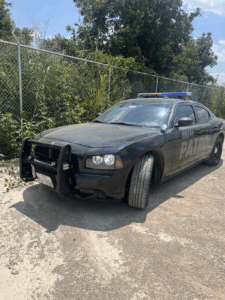
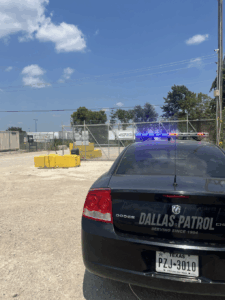
Areas that once allowed trucks to park overnight without issue are now actively monitored. Drivers relying on outdated information often face tickets, towing, or forced relocation during rest hours.
This is why planning truck parking in Dallas has become a compliance issue, not just a convenience issue.
Related: https://dallastruckparking.net/truck-parking-cost-dallas-tx/
How Dedicated Truck Parking Improves Driver Safety
Reduced Nighttime Driving
When truck drivers know where they will park ahead of time, they stop driving earlier. Dedicated truck parking plays a critical role in truck driver safety by reducing unnecessary movement and late-night decision-making.
Less nighttime searching means:
- Fewer fatigue-related mistakes
- Less risk of wrong turns into restricted areas
- Reduced exposure to poorly lit streets
Safer Parking Environments
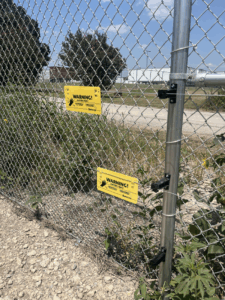
Dedicated truck parking facilities are designed for commercial vehicles. That matters. Design choices like lighting, space, and access directly support truck driver safety by lowering the risk of accidents during entry, parking, and exit.
From what we see in managing truck parking in Dallas, safety issues often come from places that were never built for trucks. Tight turns, uneven surfaces, poor lighting, and limited space all increase accident risk.
Dedicated facilities reduce these risks by offering:
- Wide access points
- Proper maneuvering space
- Stable surfaces for heavy vehicles
- Lighting that improves visibility
Fewer Forced Moves
One of the biggest safety risks is being forced to move at night, especially at late rest hours. Street parking and informal locations often lead to knocks on the door, citations, or sudden relocations.
Dedicated truck parking allows drivers to park once and stay parked. That stability is a major safety factor. Fewer forced relocations mean fewer disruptions that compromise truck driver safety during rest hours.
How Truck Parking Supports Rest Compliance

Predictable Overnight Rest
Rest compliance depends on uninterrupted rest.
Dedicated truck parking allows drivers to plan rest periods without worrying about enforcement or availability. When drivers know they can remain parked legally, they are more likely to complete full rest cycles.
This directly supports compliance with Hours of Service requirements.
Reduced Stress During Rest Periods
Even when drivers are technically parked, uncertainty affects rest quality. If a driver is worried about being moved, ticketed, or towed, rest is not effective.
From our experience, drivers using dedicated truck parking in Dallas say that they experience better rest simply because they can relax once parked. Reduced stress leads to better recovery and safer driving the next day.
Better Schedule Control
When parking is planned, drivers can align rest periods with delivery schedules more accurately. This reduces last-minute adjustments that often cause compliance issues.
The Hidden Compliance Risks of Non-Dedicated Parking
Street parking and overflow spots don’t always look risky in the moment. Most of the time, drivers park there because they’re out of options, not because they want to take chances.
The problem is what happens next. These are the issues we see most often when drivers rely on non-dedicated truck parking in Dallas:
- Rest gets interrupted by enforcement or complaints
- Drivers start the next day already tired
- Extra time gets burned relocating to find a legal spot
- Logbooks get complicated because the truck has to move
None of these feels huge on its own. But together, they’re exactly how a “fine night” turns into a rough next day.
Comparison: Informal Parking vs. Dedicated Truck Parking in Dallas
When drivers compare parking options in Dallas, the difference usually becomes clear after a few difficult nights.
Street parking and overflow areas depend heavily on timing, location, and luck. Some nights pass without issue. Other nights end with relocation or citations. That inconsistency is what makes informal parking unreliable.
Dedicated truck parking works differently. Drivers know where they are going, when they will stop, and that they can remain parked through their rest period. That predictability removes uncertainty from the end of the day.
Below is a practical comparison based on what drivers actually experience when choosing where to park overnight.
| Parking Option | Safety | Rest Quality | Reliability |
| Street Parking | Low | Interrupted | Unpredictable |
| Truck Stops | Moderate | Inconsistent | Limited |
| Dedicated Truck Parking | High | Stable | Predictable |
Drivers who rely on dedicated truck parking in Dallas avoid the uncertainty that leads to safety risks and compliance problems.
Why More Drivers Are Shifting to Dedicated Parking
From our work managing truck parking in Dallas, we see a clear shift in driver behavior. Drivers who operate in the area regularly plan parking before entering the metro.
This approach is driven by experience, not preference.
Drivers choose dedicated truck parking because it offers:
- Legal overnight use
- Space designed for commercial vehicles
- Fewer interruptions during rest hours
- Predictable entry and exit
This shift is not about convenience. It is about operating safely and staying compliant in a high-pressure freight environment.
How Dallas Truck Parking Fits Into This Shift
At Dallas Truck Parking, our focus is on providing parking that supports real-world trucking needs. Our locations are planned around how trucks move through Dallas, not how passenger vehicles use space.
We structure our truck parking in Dallas around:
- Legal overnight access
- Safety-focused layouts
- Proximity to major freight corridors
- Consistent availability
This approach allows drivers to plan parking as part of their route, rather than treating it as a last-minute problem.
What This Means Going Forward
Freight traffic through Dallas is not slowing down. Parking pressure will continue to increase, and enforcement will likely become more consistent.
Drivers and fleets that adapt are the ones that:
- Plan truck parking in Dallas ahead of time
- Use dedicated facilities for overnight rest
- Treat parking as part of safety and compliance planning
Dedicated truck parking is no longer optional in cities like Dallas. It is a core part of safe and compliant operations.
Final Perspective
Driver safety and rest compliance do not fail all at once. They break down slowly, one poor parking decision at a time.
From what we see every day, dedicated truck parking solves many of these problems before they start. It allows drivers to stop earlier, rest properly, and operate the next day safely.
In Dallas, where parking options are limited and enforcement is real, dedicated truck parking turns overnight rest from a risk into a reliable part of the route.
That reliability is what drivers increasingly depend on when moving through the city.
From what we see every day, planning parking ahead is one of the most practical ways to protect truck driver safety in a city like Dallas.