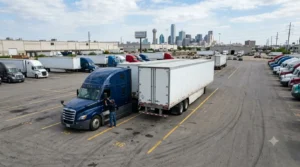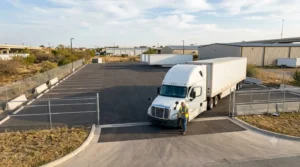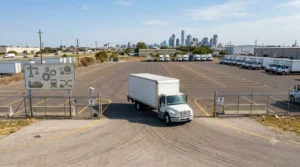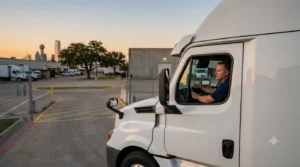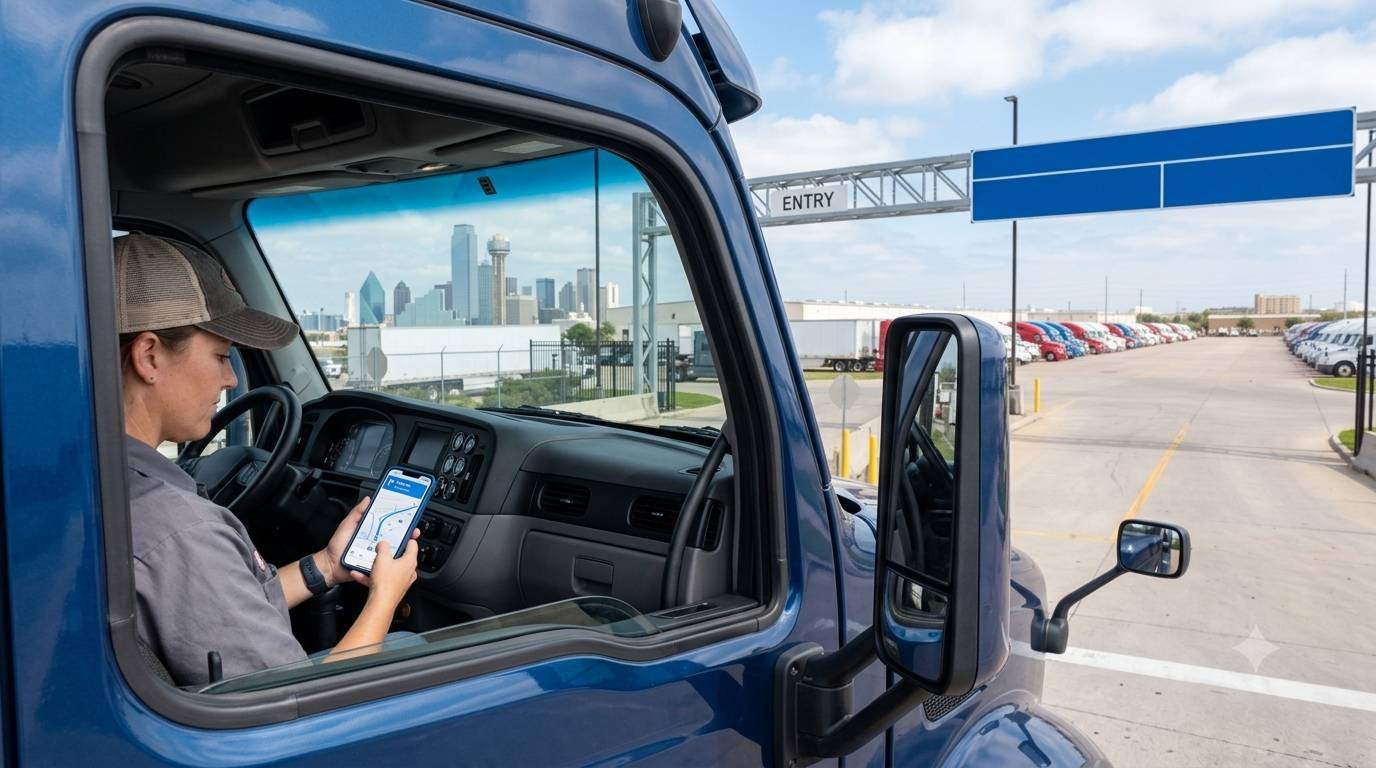
A new driver has enough to learn.
Routes. Customers. Equipment. Dispatch instructions. Delivery procedures.
Truck parking should not become another guessing game.
If a new driver arrives in Dallas and does not know which entrance to use, where the truck belongs, or what to do after hours, a simple parking stop can turn into a chain of phone calls.
For fleet managers, the fix is straightforward: **give drivers a simple parking process they can follow the first time.**
Why New Drivers Struggle With Parking
Experienced drivers often remember a location from previous trips. New drivers do not have that advantage.
They may not know:
- Where the facility is relative to the route
- Which entrance to use
- Where to look for their space
- How after-hours access works
- Who to call if something is unclear
A short parking orientation can remove most of that uncertainty before the driver arrives.
1. Create a One-Page Parking Handoff
Do not send a new driver a long message with five different instructions.
Give them one clear parking note.
Include:
- Facility name and exact address
- Gate or entry instructions
- Space or parking procedure
- Access information
- Contact information
- Basic arrival expectations
The goal is for a driver to open the note and know what to do.
2. Tell the Driver What to Expect When They Arrive
A parking address tells someone where to go. It does not always tell them what happens next.
Your instructions should explain:
- Where the entrance is
- What the driver should look for after entering
- How the parking space is identified
- What to do if the assigned space is occupied
- Who to contact when something does not match the instructions
This is especially useful for drivers visiting a facility for the first time.
3. Make the Space Assignment Clear
Do not rely on “park in the back” or “find an open spot.”
Use a clear assignment method when the operation requires it:
- Space number
- Truck or unit number
- Trailer number
- A documented parking process
If your fleet changes parking locations, update the record immediately. Old instructions can be almost as confusing as no instructions.
4. Explain After-Hours Access Before the Driver Needs It
New drivers are more likely to hesitate when the normal office process is not available.
Put the after-hours process directly in the parking instructions.
That should cover:
- How to enter
- What credential or access method is required, if any
- What to do if the normal process does not work
- Who to contact for an access issue
Dallas Truck Parking currently advertises 24/7 commercial parking access. Verify the current access procedure and share the confirmed process with drivers before their first arrival.
5. Keep Equipment Rules Simple
A new driver should know what equipment can use the assigned area.
This matters when a fleet operates more than one vehicle type.
Dallas Truck Parking’s current information lists multiple commercial vehicle types and parking options, but the exact space and eligibility should be confirmed for the driver’s equipment before dispatch.
Your internal instruction should clearly identify which truck or trailer configuration the driver is expected to bring.
6. Give Drivers a Backup Instruction
Even good instructions sometimes meet a changed situation.
The assigned space may be unavailable. The driver may arrive earlier or later than expected. Equipment may change.
Tell the driver exactly what to do next.
- Do not block another vehicle.
- Do not invent a new parking arrangement.
- Contact the assigned fleet or facility contact.
- Wait for the updated instruction before making an unnecessary move.
A simple exception plan prevents a small parking issue from becoming a bigger one.
7. Keep Parking Information in the Dispatch System
If the information only exists in one manager’s phone, it is not really a fleet process.
Store the current parking details where dispatch and drivers can access them.
At minimum, keep:
- Facility address
- Access instructions
- Parking procedure
- Current contact details
- Equipment or space notes
- Last-verified date
Review the information whenever the parking arrangement changes.
A Simple New-Driver Parking Checklist
- Can the driver find the facility without calling dispatch?
- Does the driver know which entrance to use?
- Does the driver know where to park?
- Are after-hours instructions clear?
- Does the driver know what to do if the assigned space is unavailable?
- Does the instruction match the equipment being driven?
- Is there a current contact for access questions?
If the answer is yes to all seven, the parking handoff is doing its job.
What Fleet Managers Should Avoid
- Long instructions that bury the important details.
- Old screenshots or outdated addresses.
- Assuming every driver knows the facility.
- Telling a driver to “find a spot.”
- Leaving after-hours access instructions out.
- Using a generic parking note for different equipment types.
New-driver instructions should be simple enough to use from the cab and specific enough to prevent guessing.
Need a Consistent Dallas Truck Parking Location for Your Fleet?
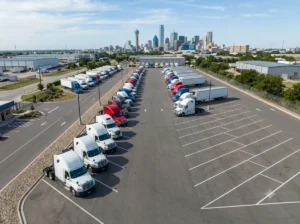
Dallas Truck Parking provides commercial parking at 3805 Cleveland Rd, off I-20 between I-35 and I-45. The current site describes commercial parking for multiple vehicle types and online parking management. Verify current access procedures, space availability, and equipment eligibility before adding the location to your fleet instructions.
A good parking process starts before the driver reaches the gate.
Check current availability and give your drivers one clear parking plan.
FAQ
What should truck parking instructions include for a new driver?
Include the exact facility address, entrance information, parking-space or parking-process details, after-hours access, contact information, and a simple backup procedure if the expected parking arrangement changes.
Why do new drivers need separate parking instructions?
A new driver may not know the facility, entrance, parking layout, or access process. Clear instructions reduce guessing and unnecessary calls to dispatch.
How can a fleet standardize truck parking instructions?
Use one standard template for every facility. Keep the address, access method, parking procedure, equipment notes, contact details, and last-verified date in the same format.
Does Dallas Truck Parking offer fleet-oriented commercial parking?
The current business information describes commercial parking for fleets and multiple vehicle types. Confirm the current number of spaces, equipment eligibility, access process, and availability before making a fleet commitment.
Where is Dallas Truck Parking located?
Dallas Truck Parking lists 3805 Cleveland Rd, Dallas, TX 75241, off I-20 between I-35 and I-45.